



Hydration: Fueling Both Body and Mind in Sports

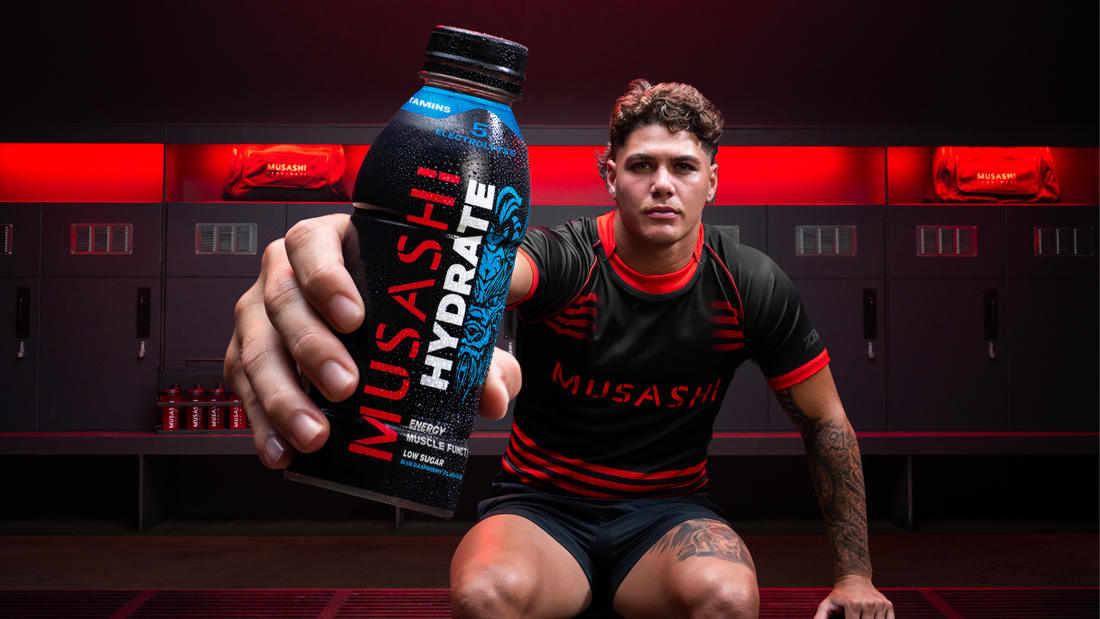
Hydration isn't just about physical performance; it also plays a crucial role in mental performance, especially in the context of sports. Dehydration can negatively impact cognitive function, mood, and overall well-being, affecting an athlete's ability to perform at their best.
The Link Between Hydration and Mental Health
- Cognitive Function: Dehydration can impair cognitive abilities such as focus, concentration, and decision-making. These are essential skills for athletes to perform at their peak.
- Mood: Studies have shown that dehydration can negatively impact mood, leading to irritability, anxiety, and even depression.
- Stress Management: Adequate hydration can help the body better manage stress, which is a common factor in sports performance.
- Energy Levels: Dehydration can lead to fatigue and low energy levels, which can affect an athlete's motivation and drive.
The Impact of Dehydration on Mental Performance
- Reduced Focus: Dehydration can make it difficult to concentrate and stay focused on the task at hand.
- Impaired Decision-Making: Dehydration can lead to poor decision-making, affecting an athlete's ability to react quickly and effectively in challenging situations.
- Increased Anxiety: Dehydration can contribute to feelings of anxiety and nervousness.
- Reduced Motivation: Fatigue and low energy levels caused by dehydration can decrease an athlete's motivation and drive to perform.
Hydration Strategies for Optimal Mental Health in Sports
- Pre-hydration: Start hydrating several hours before your workout to ensure adequate fluid levels.
- During exercise: Drink regularly to replace fluids lost through sweat.
- Post-hydration: Replenish fluids and electrolytes after your workout to aid recovery.
- Listen to your body: Pay attention to thirst signals and adjust your hydration accordingly.
- Manage stress: Practise stress management techniques like meditation, deep breathing, or yoga to complement hydration efforts.
- Prioritise sleep: Ensure you get enough quality sleep to support both physical and mental health.

References:
- The effects of dehydration on cognitive performance and mood in athletes. (2016). Journal of Athletic Training, 51(10), 986-993.
- The impact of dehydration on mood and cognitive function in athletes. (2017). International Journal of Environmental Research and Public Health, 14(3), 232.
- Hydration and mood: A review of the literature. (2018). Nutrients, 10(12), 1804.
By prioritising hydration, athletes can not only improve their physical performance but also enhance their mental well-being, leading to a more fulfilling and successful sporting experience.